Safety Strategy Development
THE KRAUSE BELL GROUP APPROACH TO SAFETY STRATEGY DEVELOPMENT
Build a Safety Strategy that Strengthens Leadership, Sharpens Focus, and Reduces Risk
Krause Bell Group helps organizations assess how well their Safety Loop is functioning—across leadership decisions and practices, systems, context and culture, and exposure to risk—so they can build a clear, prioritized strategy for improvement.
Why Safety Strategy Often Falls Short
Many organizations have good people, multiple safety initiatives, and a genuine commitment to improvement, yet their efforts still feel fragmented. Leadership development sits in one lane. Systems and processes sit in another. Culture is discussed broadly but not measured with enough precision. Exposure data exists, but is not always translated into better decisions.

That is where safety strategy development must begin.
At Krause Bell Group, we develop safety strategy by assessing how well the organization functions as a system. Using the Safety Loop as the overarching model, we help leaders understand where the loop is strong, where it breaks down, and what must be strengthened first. The result is not another generic roadmap. It is a practical strategy grounded in how leadership, culture, systems, and exposure interact in your organization.
BUILD STRATEGY BY ASSESSING THE SAFETY LOOP
A Comprehensive Strategy Starts with Understanding the Safety Loop

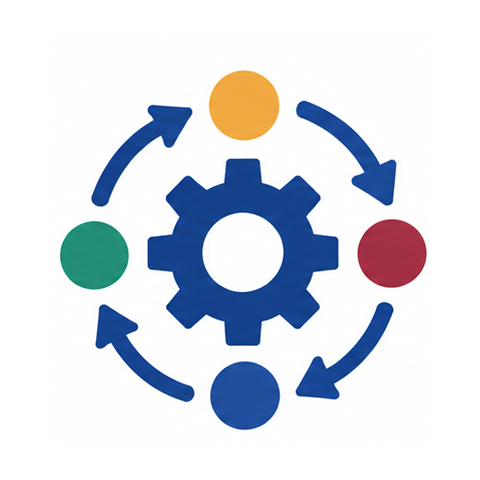
Organizations with a well-functioning Safety Loop are better positioned to prevent serious incidents and fatalities, strengthen culture, and improve overall safety performance. The challenge is that breakdowns in the loop are often hidden. Leaders may not fully see how their decisions shape systems and culture, how those conditions influence exposure, or how feedback from the field should reshape future decisions.
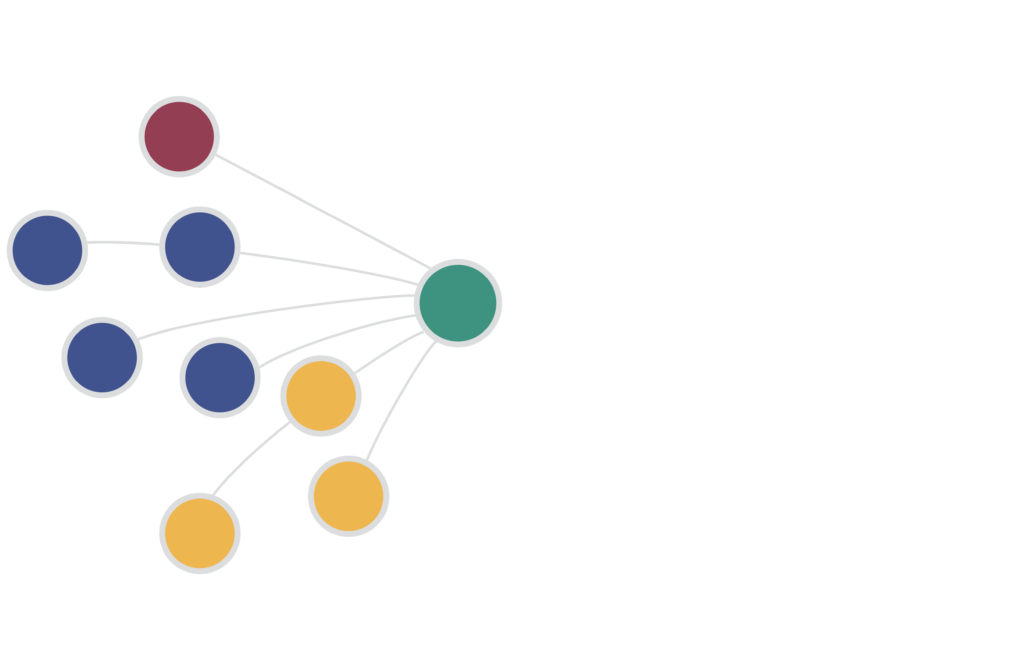
Our Safety Strategy Development approach assesses your organization across the core elements of the Safety Loop.

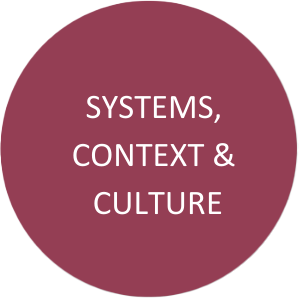
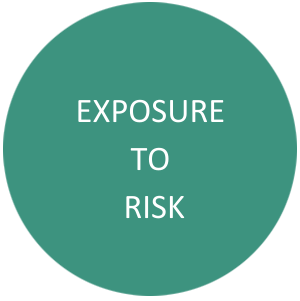
By assessing these elements together—not in isolation—we can define a strategy that is both more accurate and more actionable.
WHAT WE ASSESS IN PRACTICE
Assessments that Move Beyond Symptoms
to the Underlying Drivers of Performance
Our work can include a tailored combination of the following assessment capabilities:

Safe Decision Making® Analysis
Leadership decisions form a network across levels, functions, and time. Our Safe Decision Making® methodology analyzes how decisions shape safety outcomes, uncovers subtle patterns, and identifies where decision quality must improve.

Safety Leadership 360
Our Safety Leadership 360 assessment evaluates the leadership practices that most influence trust, learning, credibility, and risk reduction. It gives leaders clear insight into how their leadership is experienced and where capability development is needed.

Culture Survey
We assess the cultural conditions that sustain performance. It helps organizations understand whether the culture supports openness, trust, procedural fairness, leadership credibility, and the kind of upward communication required for learning.
Systems Review
We review the systems and mechanisms that shape performance, including safety systems, leadership routines, organizational processes, and relevant HR and contractor management systems. The goal is to understand both intended design and actual impact.

Exposure and Precursor Visibility
Where relevant, we assess how effective the organization is at identifying, classifying, and learning from SIF exposure, risk exposure, precursor events, and weak signals. A strategy is not robust if exposure is poorly understood.
FROM ASSESSMENT TO STRATEGIC ALIGNMENT
Strategy Development is not just Diagnosis.
It is Alignment.
Assessment alone does not create change. The value comes from using that insight to build alignment around the need for change, the aspired future state, and the priorities that matter most.
We ensure alignment by working with senior leaders and key stakeholders to:
- Build a shared understanding of the current state and the gaps that matter most
- Create alignment on the case for change and the strategic direction
- Define the aspirational future state
- Agree on the outcomes the strategy should influence
- Establish ownership, governance, and commitment at the right level
In many situations, it is also valuable to plan for execution upfront, especially around strategy design, milestone planning, resource needs, and the systems that will need to support the change over time.

WHAT THE OUTPUT LOOKS LIKE
A Strategy that is Practical, Prioritized, and Built for Implementation
Depending on your needs, the output of this work may include:
- An integrated view of strengths, gaps, and breakdowns across the Safety Loop
- An executive-level picture of how leadership, culture, systems, and exposure interact
- Prioritized strategic focus areas
- Recommendations on where to intervene first for maximum impact
- Alignment on the future state and the outcomes to be improved
- Guidance on governance, sequencing, and implementation priorities
This can support enterprise-level safety strategy, business-unit strategy, site-level transformation, or a focused SIF prevention agenda.
CHALLENGES THIS HELPS ADDRESS
Common Reasons Organizations Engage Us for Safety Strategy Development
Organizations typically come to us when:
- Safety efforts feel fragmented or overly tactical
- Leaders want a clearer strategic roadmap
- There is a gap between leadership intent and operational reality
- Culture is discussed, but not measured or translated into action
- Exposure data is limited, underused, or disconnected from leadership decisions
- There is a desire to strengthen SIF prevention without creating yet another standalone program
- Leadership wants stronger alignment before launching a major safety initiative or transformation
KRAUSE BELL GROUP SAFETY STRATEGY DEVELOPMENT SOLUTIONS
Why Choose Krause Bell Group for Safety Strategy Development
Krause Bell Group is uniquely positioned to develop safety strategy because our work connects the technical, organizational, and leadership dimensions of safety improvement. We do not treat strategy as a document. We treat it as a disciplined process of understanding how the organization functions, where the loop breaks down, and what it will take to create sustainable improvement.
Our approach combines:
- The Safety Loop as a strategic model
- Proprietary assessment tools and methodologies
- Deep expertise in leadership, culture, and SIF prevention
- A practical change management model that helps move from insight to execution
Whether you are building a new safety strategy, refining an existing one, or strengthening your SIF prevention approach, we can help you assess the right elements, align your leadership team, and define a practical path forward.

Learn more about Krause Bell Group’s approach to Safety Strategy Development:
- The Krause Bell Group Safety Loop
- Video: How to Improve Incident Investigation Using the Safety Loop
- The Krause Bell Group Culture Survey
- Change Management: Why Don’t Safety Initiatives Generate Results?
- SIF Prevention and Reduction: Krause Bell Group SIF Reduction Mechanism