May 13, 2026
Line of Fire Hazards SIF Prevention: A Practical Guide
Line of fire hazards put you directly in the path of moving or stored energy that can strike, crush, or release unexpectedly. These exposures are a leading source of Serious Injuries and Fatalities (SIFs) because the energy involved often overwhelms PPE and minor safeguards. If you want fewer life-altering events, treat line of fire exposure as a strategic risk. This guide explains what to watch for, how to classify and learn from PSIFs, and which controls and leadership practices make the biggest difference in SIF prevention. For foundational context on SIF precursors and why line-of-fire exposures are critical, see What is a SIF Precursor?.
What a Line of Fire Hazard Is and Why it Drives SIFs
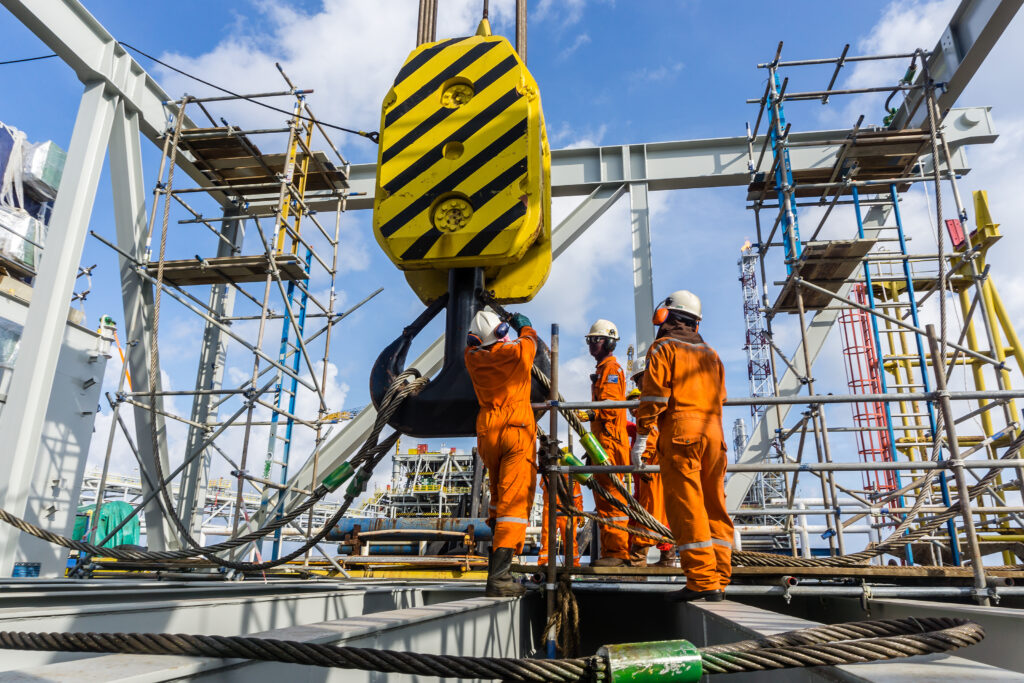
A line of fire hazard exists any time your body is positioned where uncontrolled energy may travel. Think of the direct path of a suspended load if a sling fails, the swing radius of equipment, the pinch point when a component shifts, or the blast path of a pressurized release. When an unexpected movement occurs, you are in the energy’s trajectory. SIFs are events that cause, or could have caused, a life-threatening or life-altering injury or fatality. Many lower-severity incidents arise from different conditions than SIFs. Small cuts can result from inattention, while SIFs more often involve high energy, weak barriers, and decisions made under pressure. That is why line of fire hazards SIF prevention focuses on identifying high-energy exposure, not just counting minor injuries.
Key attributes that make line of fire exposures SIF-prone include:
- High-energy sources such as gravity, vehicles, pressure, rotating equipment, or electricity
- Body positioning inside a known hazard zone, swing radius, or release path
- Compromised barriers like inadequate isolation, unstable loads, or degraded rigging
- Time pressure and coordination gaps that encourage shortcuts or miscommunication
Life-Saving Rules: Useful But Not Sufficient
Life-Saving Rules help by highlighting non-negotiables such as isolation, permit-to-work, and working at height controls. They reduce variance and provide clear expectations. But rules alone do not guarantee SIF prevention. Not every rule deviation carries SIF potential, and not every SIF precursor is a rule violation. To convert rules into results, you need to:
- Target energy exposure, not only compliance metrics
- Verify barrier quality in the field, not just paperwork
- Align incentives so people can report PSIFs without fear
- Strengthen operational decision making under changing conditions
Use Life-Saving Rules as a baseline, then layer systematic learning from PSIFs and energy classification to focus on what actually prevents serious harm.
Recognizing PSIFs in Line of Fire Events: What to Report
Potential SIFs (PSIFs) are events or conditions with realistic potential for a serious outcome, even if no one was hurt. Reporting PSIFs is essential because they reveal where energy can align catastrophically. Not every unsafe act is a PSIF. Focus on scenarios where uncontrolled energy, body positioning, and weak barriers coincide.
Report as PSIF when one or more of the following apply:
- High energy is present and uncontrolled or could become uncontrolled without additional barriers
- Someone was within the strike, crush, or release path
- Primary barriers failed or were absent, and the outcome relied on luck or last defenses
- The credible worst-case outcome includes life-altering harm or fatality
Examples that qualify as PSIFs for line of fire include rigging failures under suspended loads, pressurized hose blow-offs near workers, pinch points during heavy component alignment, vehicles entering pedestrian zones, and rotating equipment starting unexpectedly. Investigate these with the same rigor you would apply after a serious event to learn before the harm occurs.
To sharpen recognition on active job sites, see Identify SIF Precursors on Your Job Sites.
Practical Controls that Cut Line of Fire Exposure
Prioritize controls that remove people from energy paths, reduce energy, or harden barriers. Use this sequence in planning and field execution.
- After work: restore guards, bleed residual pressure, and verify no stored energy remains before returning equipment to service
- Before work: engineer out exposure by redesigning lifts, adding guards, or using remote tools; plan lift paths and exclusion zones; verify isolation and zero-energy state
- During work: enforce barriers such as taglines, spotters, barricades, and line-of-sight communication; control start-up authority; keep people out of swing radii and pinch points
| Scenario | Primary energy | Typical PSIF signal | Critical controls |
| Hoisting a load over walkways | Gravity | People inside potential drop zone | Re-route lift, hard barricades, taglines, certified rigging, spotter authority |
| Aligning flanges under tension | Pressure and mechanical | Hands in pinch zone, residual pressure not verified | Zero-energy verification, flange spreaders, hand-free tools, hold points |
| Working near mobile equipment swing | Mechanical motion | Body inside swing radius or travel path | Exclusion zone, proximity alarms, spotter, equipment lock-out during staging |
| Disconnecting hydraulic hoses | Pressure | Spray pattern or line whip potential | Pressure bleed-down, whip checks, check valves, face shields, remote positioning |
| Removing guards for maintenance | Mechanical and electrical | Unexpected start-up credible | LOTO with verification, try-start test, interlocks, supervisor sign-off |
| Staging materials on elevated platforms | Gravity | Unsecured items near edges | Toe boards, netting, secondary retention, housekeeping checks |
| Vehicle and pedestrian interface | Vehicle energy | Blind spots, mixed traffic flows | One-way routes, physical separation, spotters, high-visibility zones, speed control |
For practical examples and controls related to height work that often overlaps with line-of-fire risks, see Falls From Height as a SIF Exposure: What to Know.
To challenge and improve your plan to eliminate line-of-fire risks, use 10 Questions To Ask About Your SIF Elimination Plan.
Next steps for leaders
If you want durable SIF reduction, build organizational capability around decision quality and learning. Set a clear PSIF definition and reporting standard. Remove disincentives that suppress reporting and replace them with coaching and problem solving. Review PSIFs weekly at the right level, looking for patterns in energy, exposure, and barrier failures. Fund engineering fixes that remove people from line of fire paths. Equip supervisors to make safe trade-offs when conditions change. To monitor progress and steer reductions in line-of-fire exposure, use Leading Indicators for SIF Prevention.
Krause Bell Group helps leaders do this through focused learning experiences and practical tools.
FAQs
* Developed with the support of AI and reviewed by Krause Bell Group Editorial Team